Sleep Tech
Sleep Apnea Tracking at Home: What Consumer Devices Miss
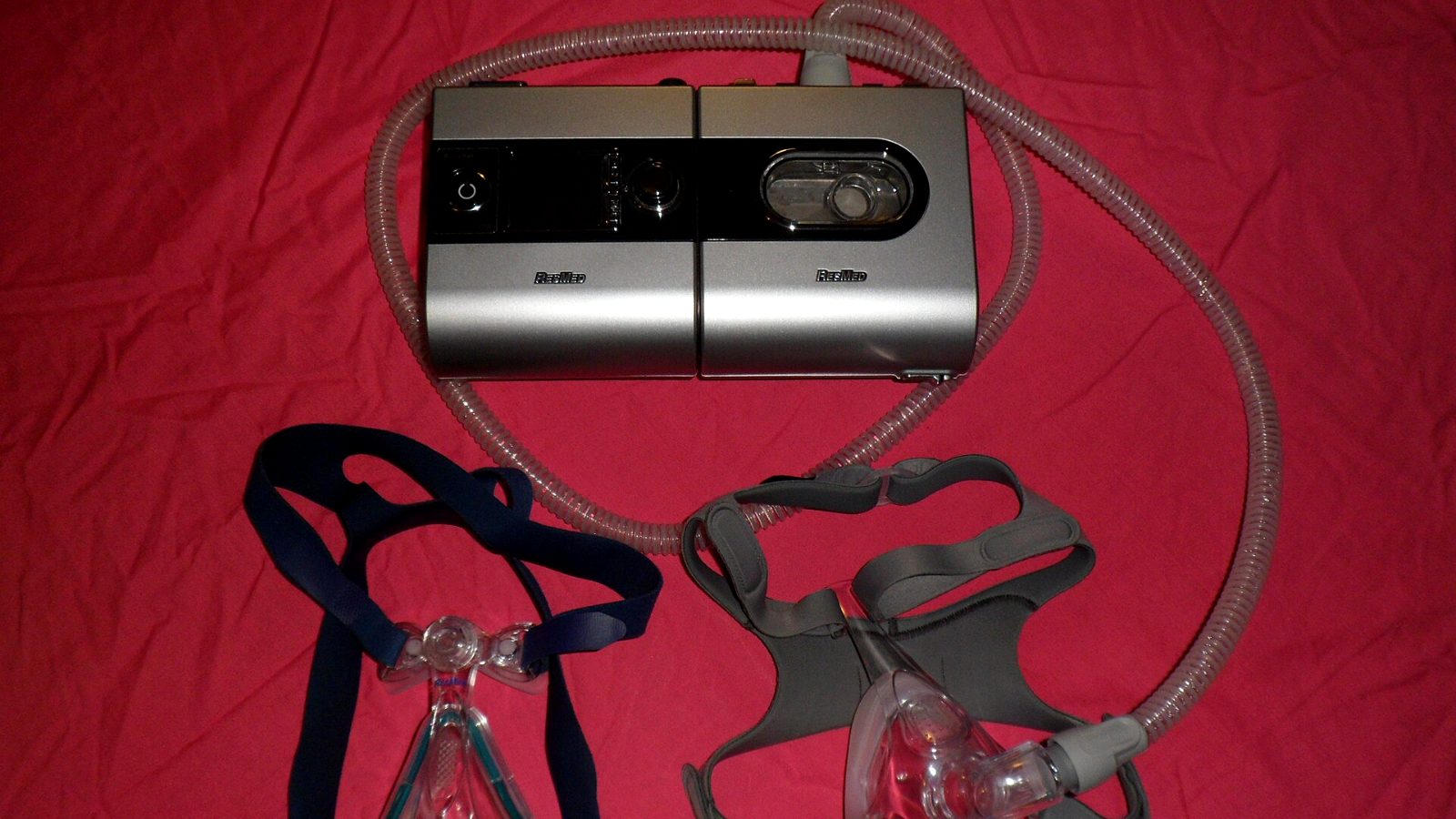
Understand what consumer sleep devices may notice about breathing and why persistent sleep-apnea symptoms need clinical testing.
Wearables, medical AI, mental wellness apps, sleep technology, nutrition tools, fitness platforms, and telehealth explained with evidence and clear limits.
Understand what consumer sleep devices may notice about breathing and why persistent sleep-apnea symptoms need clinical testing.
Review online therapy platforms by therapist credentials, licensing, matching, fees, communication, continuity and crisis support.
Use heart-rate zone apps with sensor limits, perceived effort, gradual progression and awareness of factors that can change the pulse response.
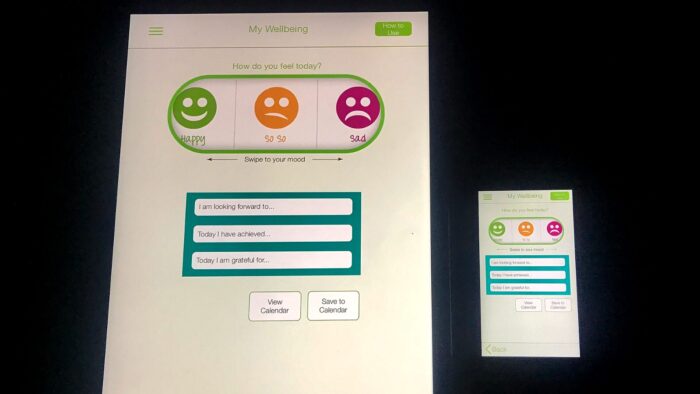
Evaluate a mental health app by its clinical purpose, crisis pathway, data practices, subscription design and ability to acknowledge uncertainty.
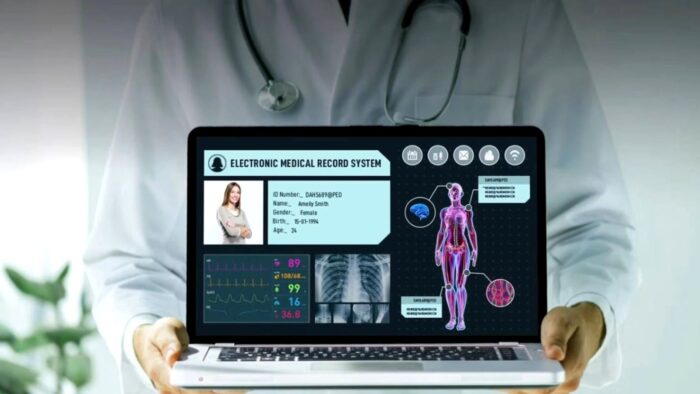
Follow medical AI trends in imaging, monitoring, documentation and regulation with attention to real-world performance and accountability.
Always-on display, GPS and bright screens cost far more than notifications. The real drain ranking, honest expectations by watch type, and settings that add days.
Use wearable trends in chronic-condition management with a defined purpose, a care-team plan and clear limits around alerts and treatment decisions.
Practical guidance on smartwatches, fitness trackers, smart rings, and health sensors.
Evidence aware reviews of therapy apps, meditation tools, mood tracking, and digital support.
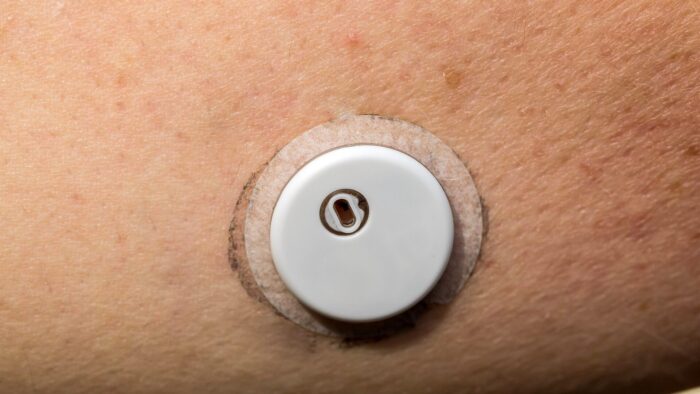
Useful advice on glucose monitors, food tracking, metabolic tools, and connected nutrition apps.
Clear guidance on sleep trackers, smart alarms, mattresses, and circadian tools.
Straightforward reviews of workout apps, coaching platforms, connected equipment, and training data.
Measured reporting on diagnostic AI, clinical software, decision support, and digital therapeutics.
Practical guidance on virtual care, remote monitoring, online prescriptions, and patient privacy.